Residential design has changed dramatically over the past several years. Homeowners today are no longer focused only on square footage or appearance — they are looking for homes that improve everyday living, support changing lifestyles, and provide long-term comfort and functionality.
Modern homes are expected to serve multiple purposes at once. They function as family gathering spaces, work environments, entertainment areas, and personal retreats. As lifestyles evolve, people are increasingly seeking homes that feel more personalized, practical, and intentionally designed around how they live each day.
This growing demand has increased interest in integrated residential design and construction services that combine planning, creativity, and craftsmanship into one coordinated process.
The Shift Toward Personalized Living Spaces
Today’s homeowners want spaces that reflect their individual needs and lifestyle preferences rather than generic layouts or standardized construction solutions.
Features such as open-concept kitchens, flexible workspaces, improved storage systems, and stronger indoor-outdoor connections have become common priorities in residential projects.
People are increasingly looking for homes that feel customized around family routines, personal comfort, and long-term functionality rather than simply following short-term design trends.
This focus on personalization continues shaping the future of modern residential construction and renovation.
Why Renovations Continue Growing in Popularity
Many homeowners are choosing to renovate and improve existing homes instead of relocating.
Rising housing prices and limited inventory in many markets have encouraged people to invest more heavily in updating their current properties. Renovations provide opportunities to modernize layouts, improve efficiency, and create more usable living spaces while maintaining the location and character homeowners already enjoy.
This trend has significantly increased demand for experienced professionals capable of managing complex residential renovation projects with strong attention to detail and project coordination.
The Benefits of the Design-Build Approach
Traditional construction projects often separate architecture, design, and construction between multiple independent companies.
While this model can work, it sometimes creates communication challenges and delays between project phases. Integrated design-build services simplify the process by bringing all major project responsibilities together under one coordinated team.
This approach helps improve communication, reduce fragmentation, and create more cohesive project execution from initial planning through final construction.
Many homeowners appreciate the simplicity and consistency that comes from working with one unified team throughout the entire process.
Functionality Has Become a Major Priority
Modern residential design increasingly focuses on functionality alongside aesthetics.
Homeowners want layouts that improve organization, comfort, productivity, and flexibility for changing family needs over time. Spaces are being designed to maximize natural light, improve flow between rooms, and create more comfortable everyday living environments.
This includes features such as larger kitchens, dedicated office spaces, flexible family rooms, energy-efficient systems, and improved storage solutions.
Thoughtful functionality has become one of the defining characteristics of contemporary home design.
The Importance of Craftsmanship
Quality craftsmanship remains one of the most important parts of residential construction and renovation.
Attention to detail during both design and construction affects structural integrity, long-term durability, and overall visual quality. Skilled workmanship helps create homes that continue performing well while maintaining strong aesthetic value for many years.
Homeowners increasingly understand that investing in experienced construction professionals often leads to better long-term results and improved property value.
How Residential Design Trends Are Evolving
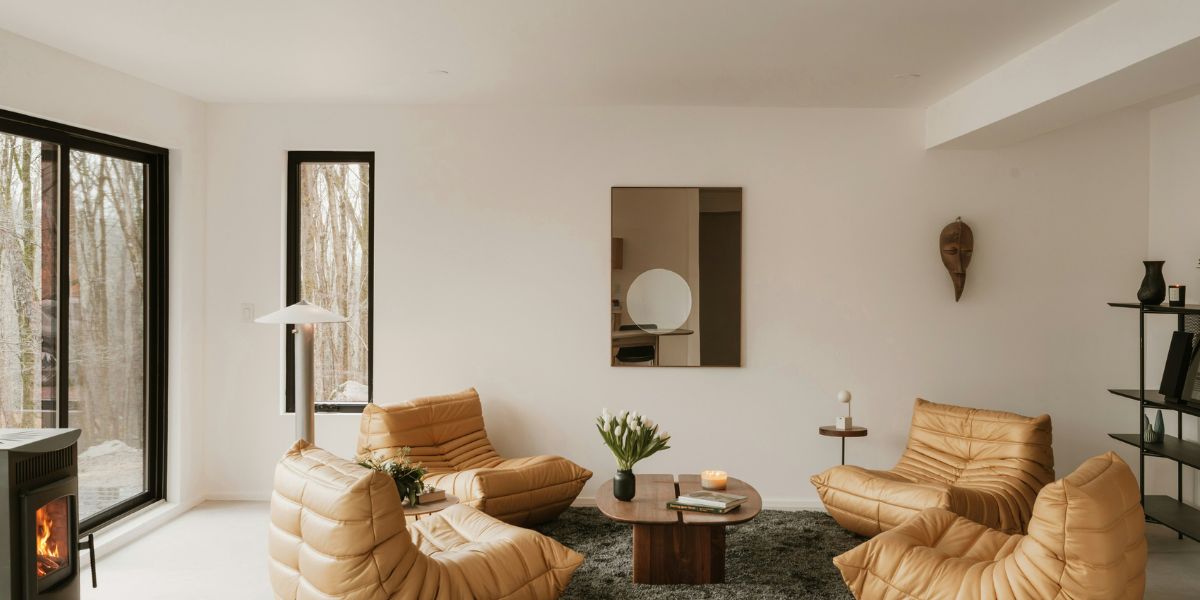
Residential design trends continue moving toward cleaner aesthetics, warmer textures, and more calming living environments.
Natural materials, larger windows, neutral palettes, minimalist layouts, and sustainable features are becoming increasingly common in both renovations and custom home projects.
At the same time, homeowners still want spaces that feel personal and reflective of their own style and routines.
This combination of simplicity, functionality, and personalization continues shaping modern residential design.
The Role of Communication During Residential Projects
Strong communication is one of the most important parts of any successful renovation or custom build.
Homeowners want clarity regarding timelines, budgets, material selections, and project expectations throughout the process. Coordinated design-build teams often improve communication by creating stronger collaboration between clients, designers, and builders from start to finish.
This collaborative approach helps reduce misunderstandings while improving project organization and efficiency.
Creating Homes Designed for Long-Term Living
Today’s homeowners increasingly prioritize long-term livability over temporary design trends.
Flexible layouts, durable materials, efficient systems, and adaptable spaces help create homes that continue supporting changing needs and lifestyles over time.
This long-term perspective has become an important factor in how modern residential projects are planned and executed.
Well-designed homes often improve daily comfort while also supporting stronger long-term value and satisfaction.
The Value of Experienced Residential Construction Teams
Residential projects involve many moving parts, including planning, budgeting, permitting, scheduling, material selection, and construction management.
Experienced teams help simplify these complexities while ensuring projects remain aligned with both practical needs and design goals.
Companies like Rusch Design Build continue helping homeowners create personalized residential spaces through integrated planning, thoughtful design, and high-quality construction services.
This unified approach often creates smoother project experiences while helping homeowners achieve more cohesive and functional final results.
The Future of Residential Design and Renovation
The future of residential construction will likely continue emphasizing personalization, sustainability, functionality, and integrated project management.
Homeowners increasingly want spaces that support evolving lifestyles while maintaining comfort, efficiency, and long-term durability.
As residential projects become more customized and lifestyle-focused, integrated design-build services will continue playing an important role in helping people create homes that feel practical, welcoming, and deeply connected to the way they want to live.