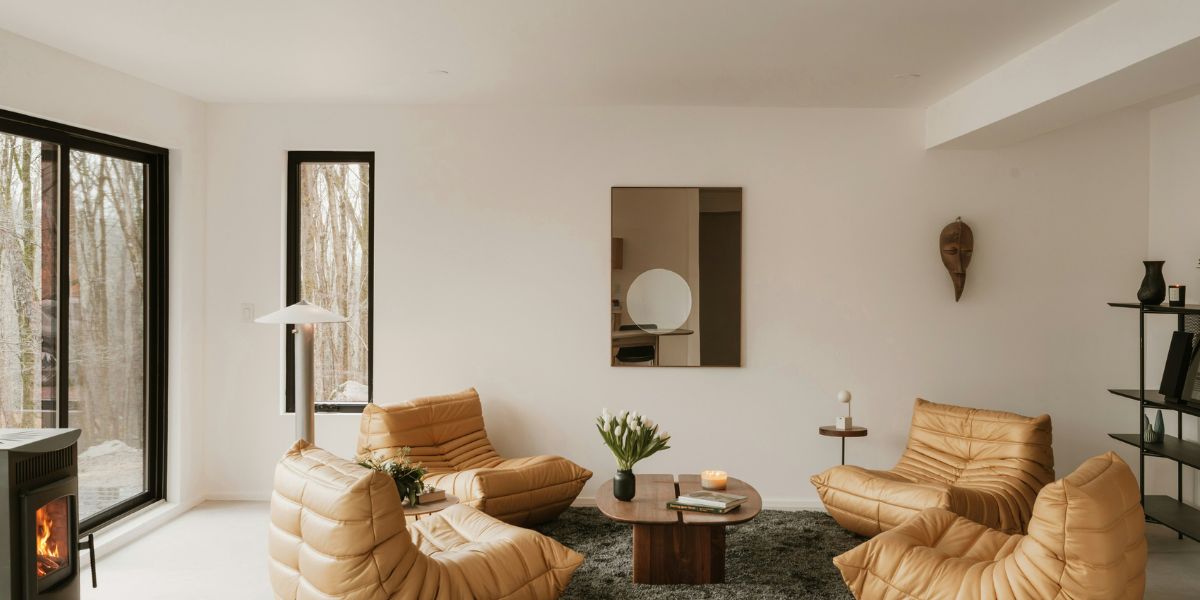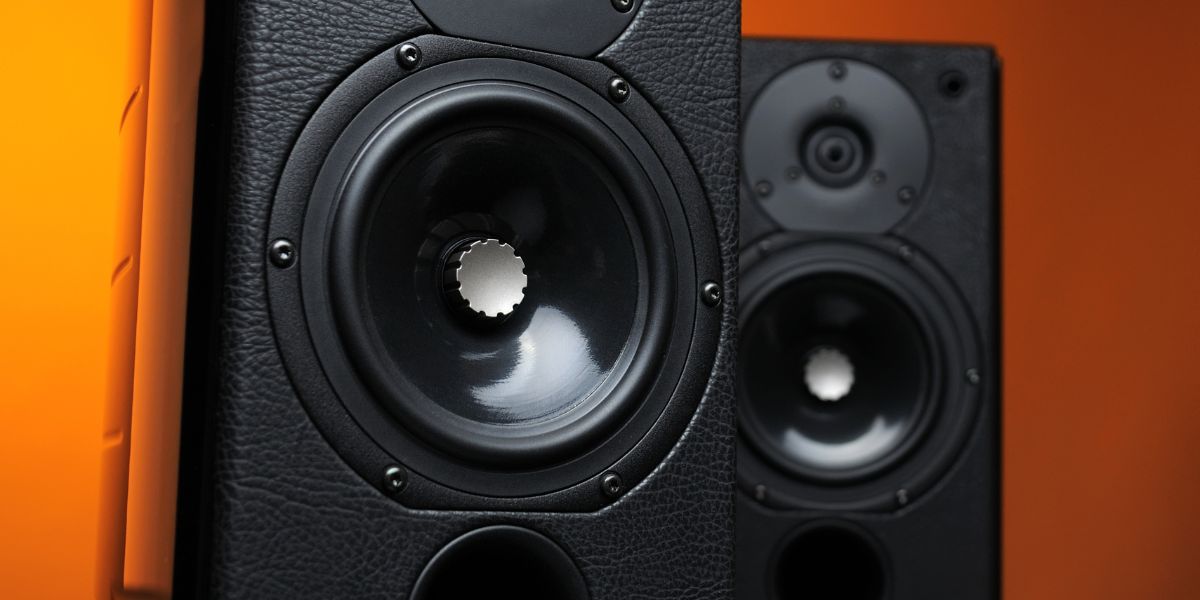
A well-designed audio and video setup can improve the way a space feels every day. In a home, it can make movies more immersive, music more enjoyable, sports more exciting, and family entertainment easier to use. In a business, it can support meetings, presentations, customer experience, background music, digital displays, and a more polished atmosphere.
The challenge is that audio and video systems can become confusing quickly. There are televisions, projectors, speakers, receivers, amplifiers, streaming devices, control systems, cables, mounts, and installation choices to consider. Each piece may seem simple on its own, but the full system needs to work together smoothly.
For people looking for high-end audio equipment, the best results come from choosing products that match the room, the user’s habits, and the long-term purpose of the space. A strong system is not only about power or price. It is about balance, compatibility, and thoughtful planning.
The Right System Starts With the User
Before choosing equipment, it helps to understand how the system will be used. A family room may need a setup that is simple, reliable, and easy for everyone to operate. A dedicated theatre room may need immersive surround sound, a large screen, controlled lighting, and comfortable seating. A music lover may care more about stereo detail, warmth, and speaker placement. A business may need dependable screens and sound for daily operations.
Each situation requires a different solution. A system designed for casual television viewing will not be the same as one built for serious music listening. A commercial display setup will have different needs than a home theatre. Outdoor speakers must be planned differently than indoor speakers.
When the user’s needs come first, the system becomes easier to design. The equipment can support real habits instead of forcing people to adjust their lifestyle around technology.
A good AV setup should feel natural, practical, and enjoyable from the beginning.
The Room Has a Major Impact on Performance
Every room affects audio and video quality. Room size, ceiling height, flooring, furniture, windows, wall materials, and seating layout all influence the final experience. A speaker may sound clear in one space and too bright or echo-heavy in another. A projector may perform beautifully in a dark theatre room but struggle in a bright living area.
This is why room planning matters. Speaker placement, screen size, viewing distance, display height, equipment location, and cable routing should all be considered before buying products. The goal is to make the system work with the room instead of against it.
A carefully planned setup can improve clarity, comfort, and appearance. It can also help avoid common mistakes, such as choosing a screen that is too large, placing speakers incorrectly, or mounting a television too high.
The room is not just where the system goes. It is part of the system itself.
Sound Quality Changes the Entire Experience
Many people think first about video when upgrading entertainment equipment, but sound often has the strongest emotional impact. Clear dialogue makes movies easier to follow. Balanced speakers make music feel more natural. A strong subwoofer can add depth to films, games, and concerts. Proper surround sound can make the listener feel more connected to the action.
Poor audio can make even an excellent screen feel incomplete. If voices are hard to hear, music sounds flat, or loud scenes become harsh, the experience can feel frustrating. Good audio creates depth, detail, and energy.
Different spaces need different audio solutions. Some rooms may benefit from a soundbar, while others need bookshelf speakers, floorstanding speakers, in-wall speakers, subwoofers, or a complete surround sound system. Music-focused systems may require a different approach than movie-focused systems.
The best audio setup is the one that fits the room and the way people listen.
Video Quality Should Match the Space
A great video setup is not only about having the biggest screen. The display should match the room, viewing distance, lighting, and intended use. A bright family room may need a television that handles reflections well. A dedicated theatre room may be better suited for a projector and screen. A business may need a display that is bright, reliable, and easy to see from different angles.
Different users also have different priorities. Movie lovers may care about contrast and cinematic image quality. Sports fans may want smooth motion. Gamers may need low input lag and modern connection options. Businesses may need clarity and reliability more than entertainment features.
The wrong display can create discomfort or disappointment. A screen mounted too high can strain the neck. A projector in a bright room can look washed out. A display that is too large for the viewing distance can feel overwhelming.
Good video planning helps the picture feel clear, comfortable, and suited to the space.
Home Theatre Systems Need Balance
A home theatre can be one of the most rewarding upgrades for a property. It can create a more immersive space for movies, sports, concerts, and gaming. However, a successful theatre setup requires more than a large screen and loud speakers.
The screen, sound system, seating, lighting, subwoofer, receiver, and controls all need to work together. Speaker placement should create a natural sound field. The screen should be positioned at a comfortable height. The subwoofer should add impact without overpowering the room. The system should be easy enough to use regularly.
A home theatre that is too complicated may not get used as often as expected. A system that is poorly balanced may feel tiring instead of enjoyable.
The best home theatres combine performance, comfort, and simplicity.
Music Systems Should Reflect Personal Listening Habits
Music listening is personal. Some people want detailed sound for focused listening. Others want convenient streaming throughout the home. Some enjoy vinyl records, while others use digital playlists. Some want music for quiet evenings, while others want sound for entertaining guests.
A music system should be designed around these habits. Speaker choice, amplifier quality, source equipment, room layout, and placement all affect the final sound. A setup that works well for movies may not be ideal for someone who values pure stereo listening.
A two-channel system can offer excellent detail and presence. Multi-room audio can make music easy to enjoy across the home. Outdoor audio can extend entertainment to patios, decks, and backyards.
When a music system is planned properly, it becomes part of daily life instead of something used only occasionally.
Commercial AV Should Be Reliable and Easy to Operate
Businesses use audio and video technology in many ways. Offices need meeting room displays and sound. Retail spaces may use music and screens to improve customer experience. Restaurants may need balanced background audio. Showrooms may need video displays for products or presentations. Service businesses may need clean, professional systems that staff can use without confusion.
In commercial spaces, reliability matters. Equipment should work consistently, controls should be simple, and the system should support business operations without creating disruption. Uneven sound, weak displays, messy cables, or confusing controls can affect both staff and customers.
For companies searching for professional AV installation, the goal should be a system that is practical, polished, and designed around real business needs.
A good commercial setup improves the space without making daily operations more complicated.
Compatibility Is Essential
A strong AV system depends on compatibility. A television, receiver, speakers, subwoofer, projector, streaming device, gaming console, amplifier, or control system may each be good individually, but the full setup needs to work together.
Compatibility affects connection options, audio quality, video quality, power needs, control simplicity, and future upgrades. If products are not matched properly, the system may underperform or become frustrating to use.
A thoughtful plan considers the complete system before each product is chosen. This helps avoid wasted money and unnecessary replacements later. It also makes the system easier to expand over time.
Good compatibility helps turn separate pieces of equipment into one smooth experience.
Installation Can Improve Both Performance and Appearance
Installation plays a major role in the final result. Even premium equipment can look messy or perform poorly if it is not installed correctly. Speaker placement, screen mounting, cable management, equipment ventilation, wiring, system configuration, and calibration all matter.
A clean installation makes the space feel more organized. Hidden or well-managed cables improve appearance. Proper speaker placement improves clarity and immersion. Correct screen height makes viewing more comfortable. Proper setup helps the equipment perform closer to its full potential.
Installation is not just about connecting devices. It is about making the system feel complete, reliable, and easy to use.
A good installation allows technology to fit naturally into the room.
Simple Controls Make the System More Useful
An AV system should not feel difficult to operate. If people need several remotes, complicated menus, or repeated troubleshooting, they may avoid using the system. This is especially important in family homes and business environments where multiple people need to use the technology.
Controls should be planned carefully. Inputs should be organized. Devices should work together smoothly. The user should be able to watch, listen, present, or stream without confusion.
Simple controls can make a powerful system feel approachable. They also make the system more valuable because people are more likely to use it regularly.
Technology should support the experience, not get in the way of it.
Clean Design Matters in Modern Homes and Businesses
Many people want strong AV performance without clutter. A clean setup can make technology feel integrated into the room instead of added as an afterthought. Screens, speakers, cables, equipment racks, mounts, and devices should all be placed thoughtfully.
Visible wires, crowded furniture, poorly placed speakers, or messy equipment can make even expensive systems look unfinished. Clean design helps the room feel polished and organized.
Some spaces may benefit from hidden wiring, wall-mounted displays, in-wall speakers, or carefully planned equipment placement. Others may need simple but effective cable management and better layout.
A great AV system should look as good as it sounds.
Expert Guidance Helps Avoid Expensive Mistakes
Audio and video equipment can be a significant investment. Without guidance, it is easy to buy products that are too powerful, too limited, poorly matched, or not suitable for the room. Someone may choose the wrong projector for a bright space, speakers that do not match the room, or a receiver that does not support future upgrades.
Expert advice can help customers make better decisions. It can clarify which features matter, what equipment is worth the investment, and where a simpler option may be enough.
A company like Signature Audio Video reflects the value of working with knowledgeable support when planning equipment, installation, and long-term AV needs.
The right guidance can make the buying process less confusing and the final result more satisfying.
Future Upgrades Should Be Considered Early
Many people build their AV systems over time. A homeowner may start with better speakers and later add a subwoofer or projector. A business may begin with one meeting room and later expand into more spaces. A music listener may start with a simple system and upgrade components gradually.
Planning ahead helps make future upgrades easier. The right wiring, receiver, speaker layout, and equipment choices can create a strong foundation. This prevents customers from needing to replace everything when they want to improve the system later.
A good system should meet current needs while leaving room for growth.
Smart planning protects the investment and keeps the system useful as needs change.
Creating an AV System That Works Every Day
The best audio and video systems improve daily life. They make entertainment more enjoyable, music more natural, meetings more effective, and business spaces more professional. They also look clean, operate smoothly, and fit the room properly.
A strong AV setup comes from thoughtful planning, compatible equipment, careful installation, and an understanding of how people actually use the space. It should feel clear, reliable, and easy to enjoy.
Whether the goal is a home theatre, music system, commercial AV setup, outdoor audio, or a complete entertainment upgrade, the right approach makes a major difference. With dependable guidance and a well-planned system, homes and businesses can enjoy technology that feels simple, polished, and built for everyday use.